RFID Sew-In Labels
Fashion brands today face expectations that go far beyond traditional labeling. Operational accuracy, product transparency, and lifecycle traceability are becoming requirements across the apparel supply chain.
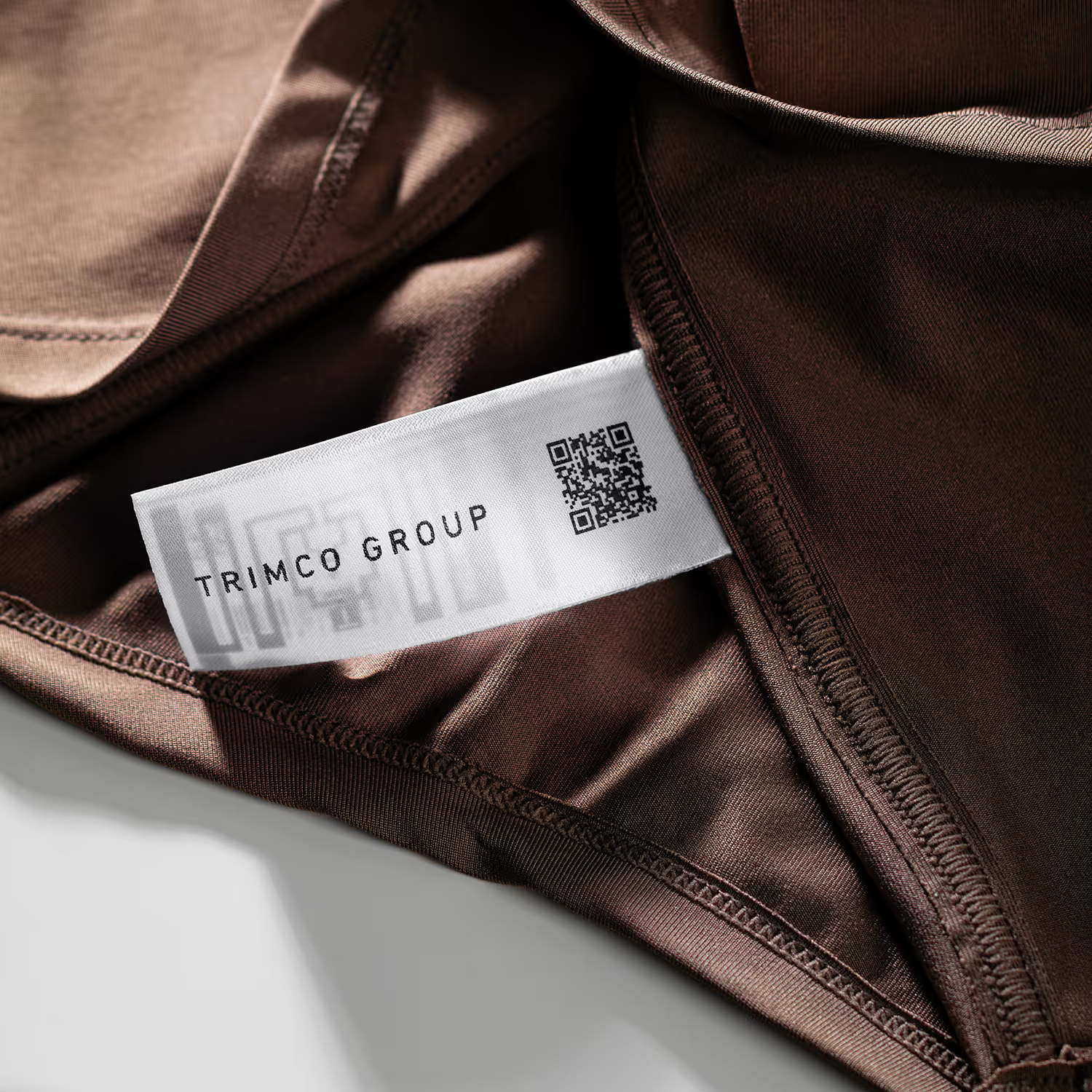
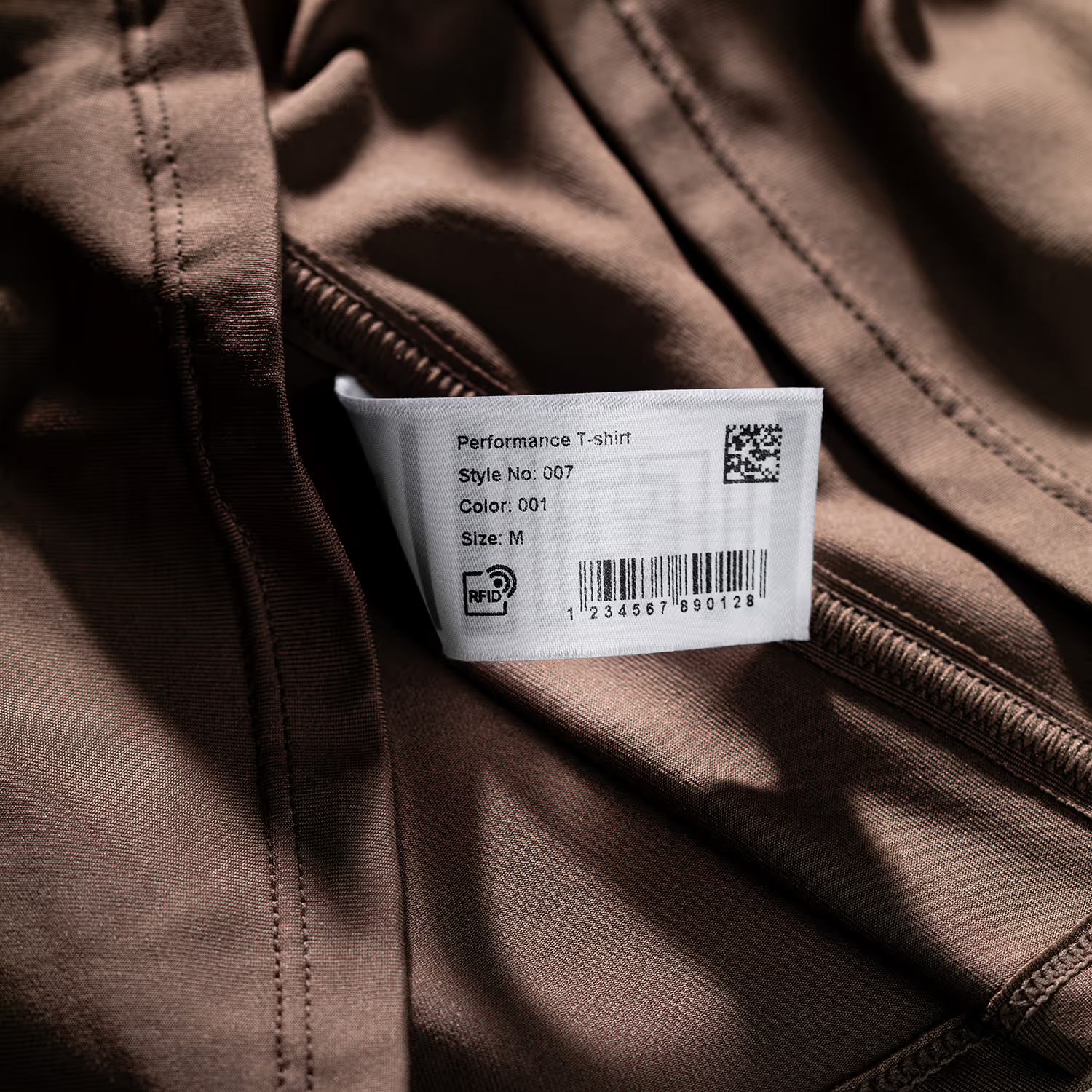
RFID sew-in labels transform a garment label into a digital touchpoint. They enable precise inventory management while preparing products for transparency requirements such as the ESPR Digital Product Passport.
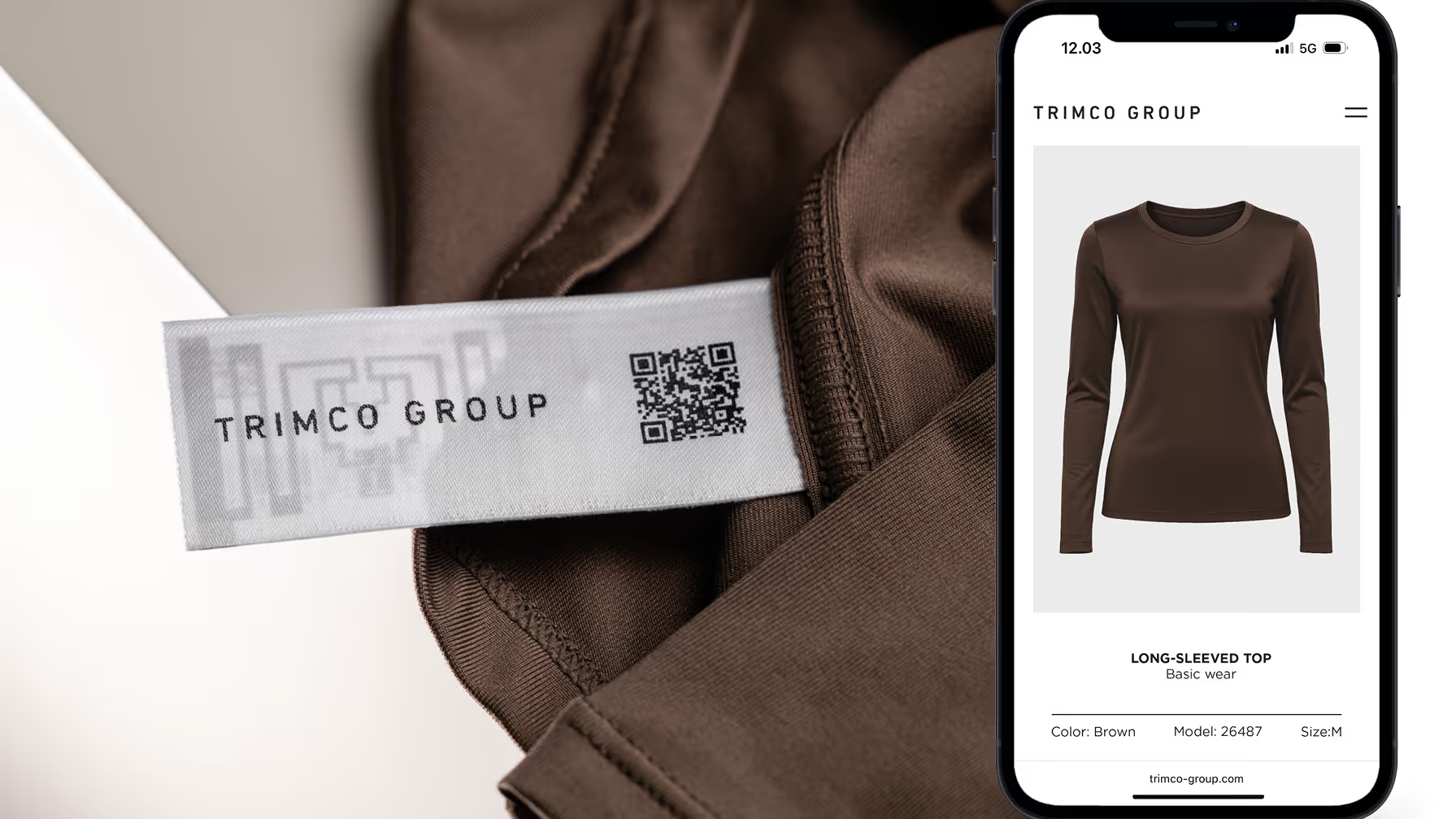
By combining RFID functionality for internal operations with QR codes or NFC for consumer access, sew-in labels connect supply chain intelligence with product-level transparency.
A key step in scalable RFID deployment.
RFID adoption in fashion typically begins with hangtags or sticker tags to support initial compliance and operational improvements. As programs scale, RFID sew-in labels become the next step toward a more integrated solution.
Because sew-in labels remain attached to the garment, they enable brands and retailers to extend RFID use cases beyond logistics to store operations and product lifecycle tracking.
Common applications include:
/ Inventory visibility and stock accuracy.
/ Loss prevention and shrink reduction.
/ Self-checkout and automated retail processes.
/ Product authentication and anti-counterfeiting.
/ Efficient returns handling for retail and e-commerce.
With RFID integrated into the garment itself, each product becomes part of a connected retail ecosystem.
Dual functionality: RFID and QR or NFC.
RFID sew-in labels support both operational efficiency and consumer transparency.
RFID for internal operations
The RFID component enables fast, reliable scanning across warehouses, distribution centers, and retail environments. This improves inventory accuracy, product visibility, and operational efficiency.
QR code or NFC for consumer engagement and DPP
QR or NFC functionality can provide direct access to product information, supply chain data, and Digital Product Passport content. This creates a bridge between physical garments and their digital information.
Together, these technologies support both backend logistics and customer-facing transparency.
.avif)

.avif)
.svg)
.avif)

.avif)


.svg)