Vegetable-based Inks
At Trimco Group, we provide a range of plant-based and bio-derived inks for your printed paper trims — while maintaining strong print quality and vibrant results in many applications.
While many conventional inks rely on petroleum-derived ingredients, vegetable-based inks use plant-derived oils such as soy or linseed instead of some fossil-fuel-based carriers, often lowering VOC emissions and sometimes improving de-inking performance, though results vary by formulation and printing process. At Trimco Group, we offer three vegetable-based ink options for printed trims — each suited to different printing needs and sustainability goals.
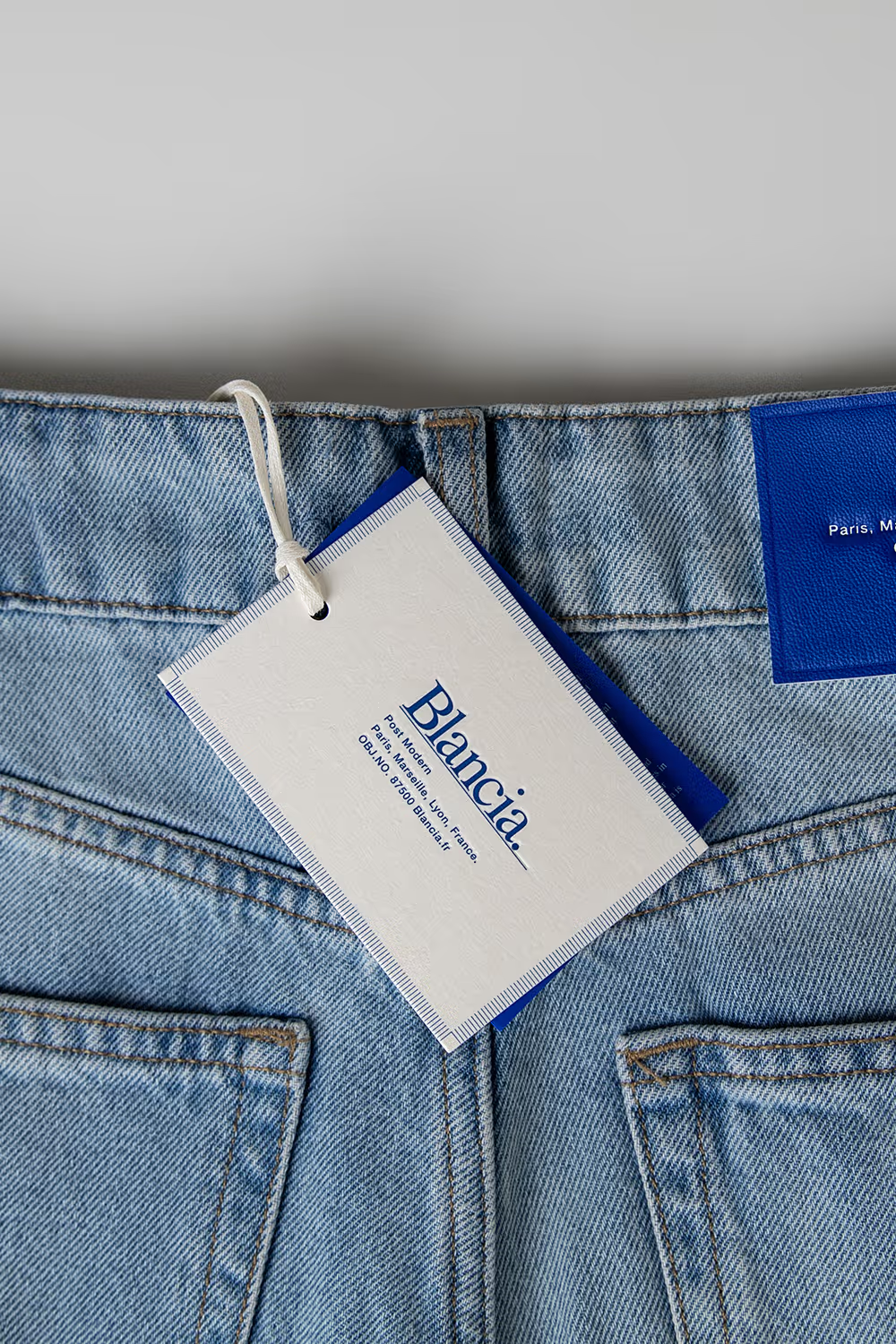
Vegetable-based inks are available across the full range of Trimco Group's printed paper trims: hangtags, jokers, and pocket flashers, or paper packaging.
Pair vegetable inks with FSC™-certified paper for a fully traceable, responsibly sourced trim — from substrate to print. Ask our team about combined material and ink solutions for your brand.
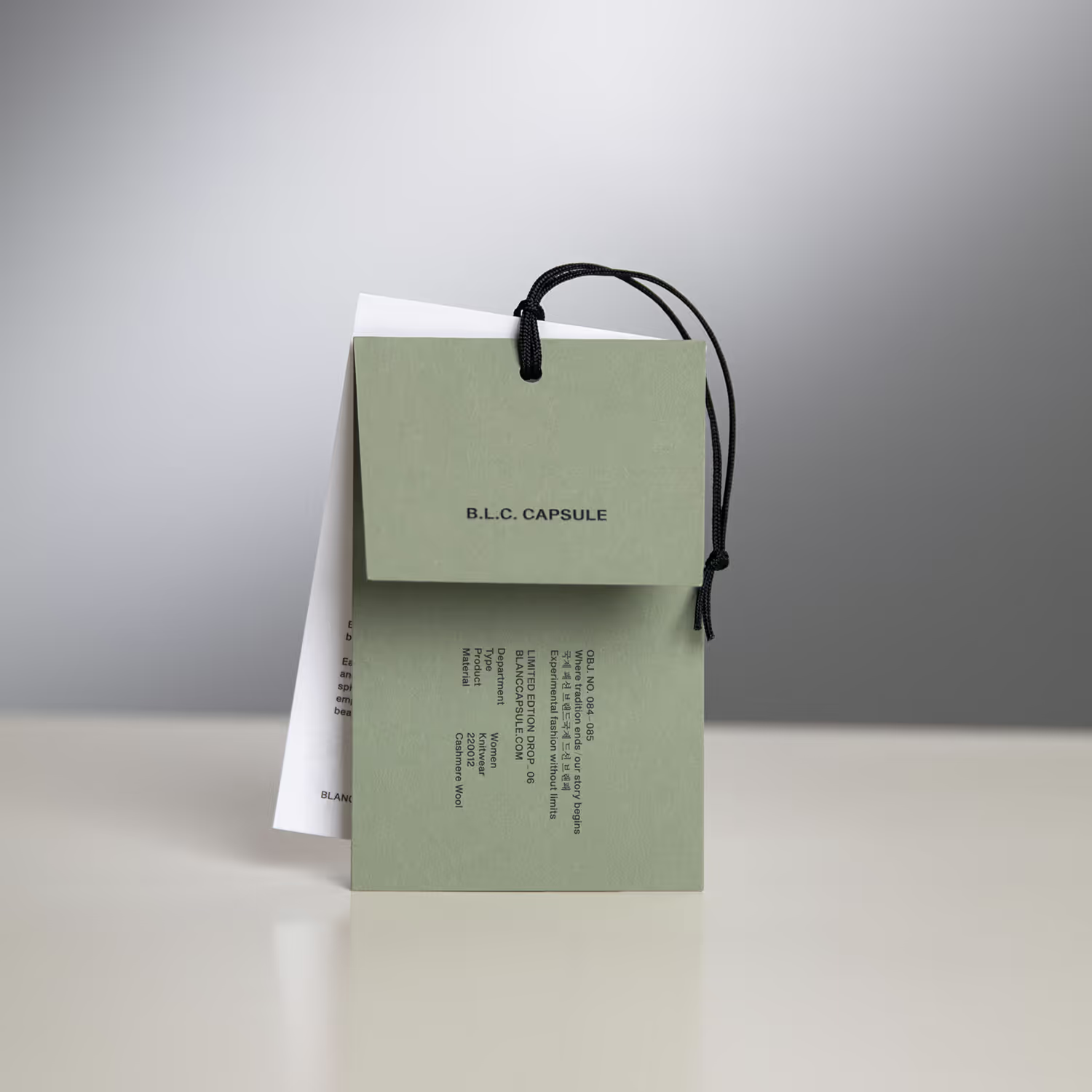
Most innovative - Algae Ink
Developed by Living Ink Technologies, Algae Ink replaces petroleum-derived carbon black, and according to Living Ink, with a carbon-negative, bio-based pigment grown from algae. The result is a high-performance black ink with a compelling sustainability story.
The algae-derived pigment is renewable, biodegradable, and carbon-negative — algae absorb CO₂ to grow, effectively removing carbon from the atmosphere during production. Available for offset, flexographic, and screen printing on paper and packaging substrates.
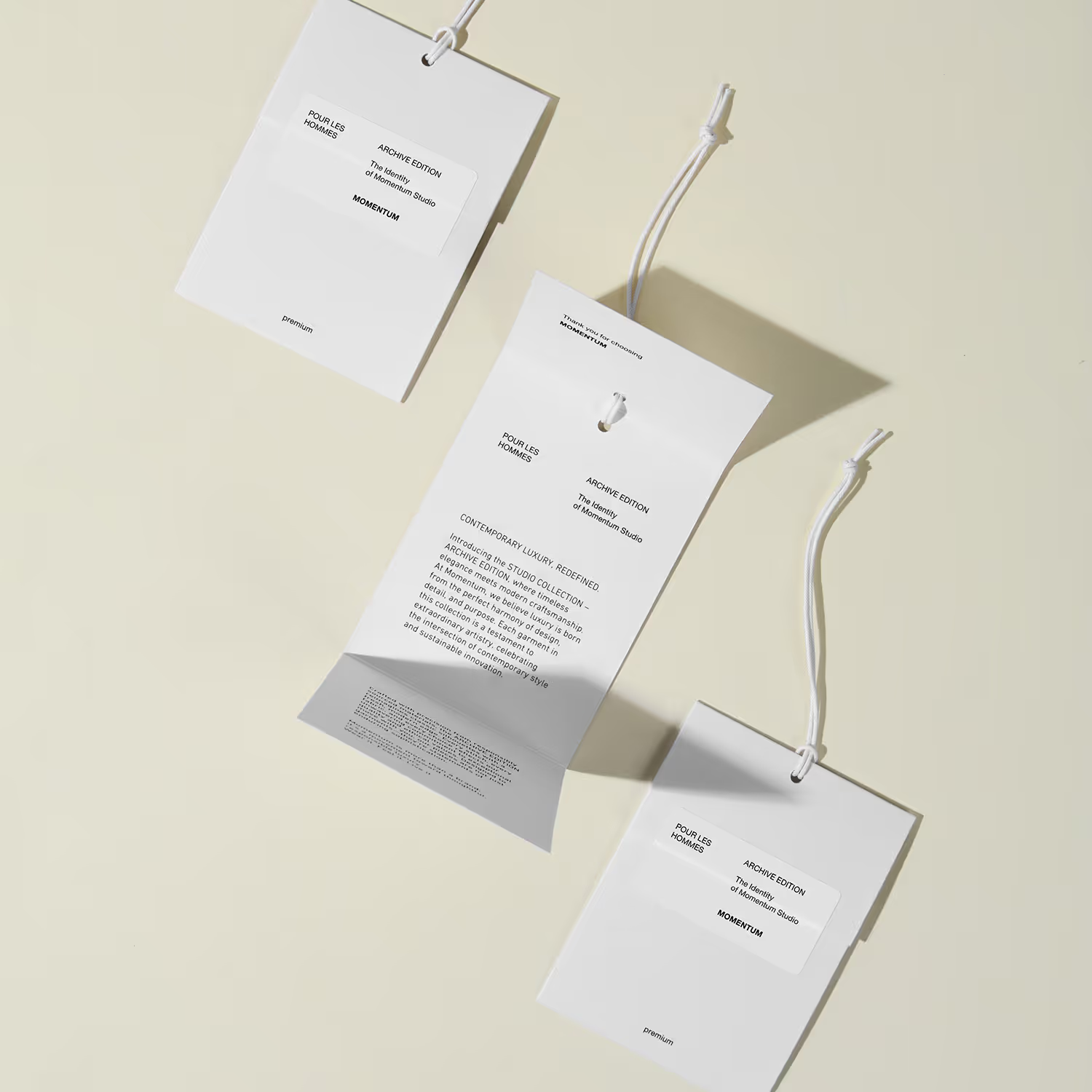
Best for Color - 100% Vegetable Ink
A fully plant-based ink for four-color printing, free from mineral oil content. Ideal for brands requiring vibrant, full-color designs on swing tags, and packaging. Works with FSC-certified paper for a combined solution across both the substrate and th ink.
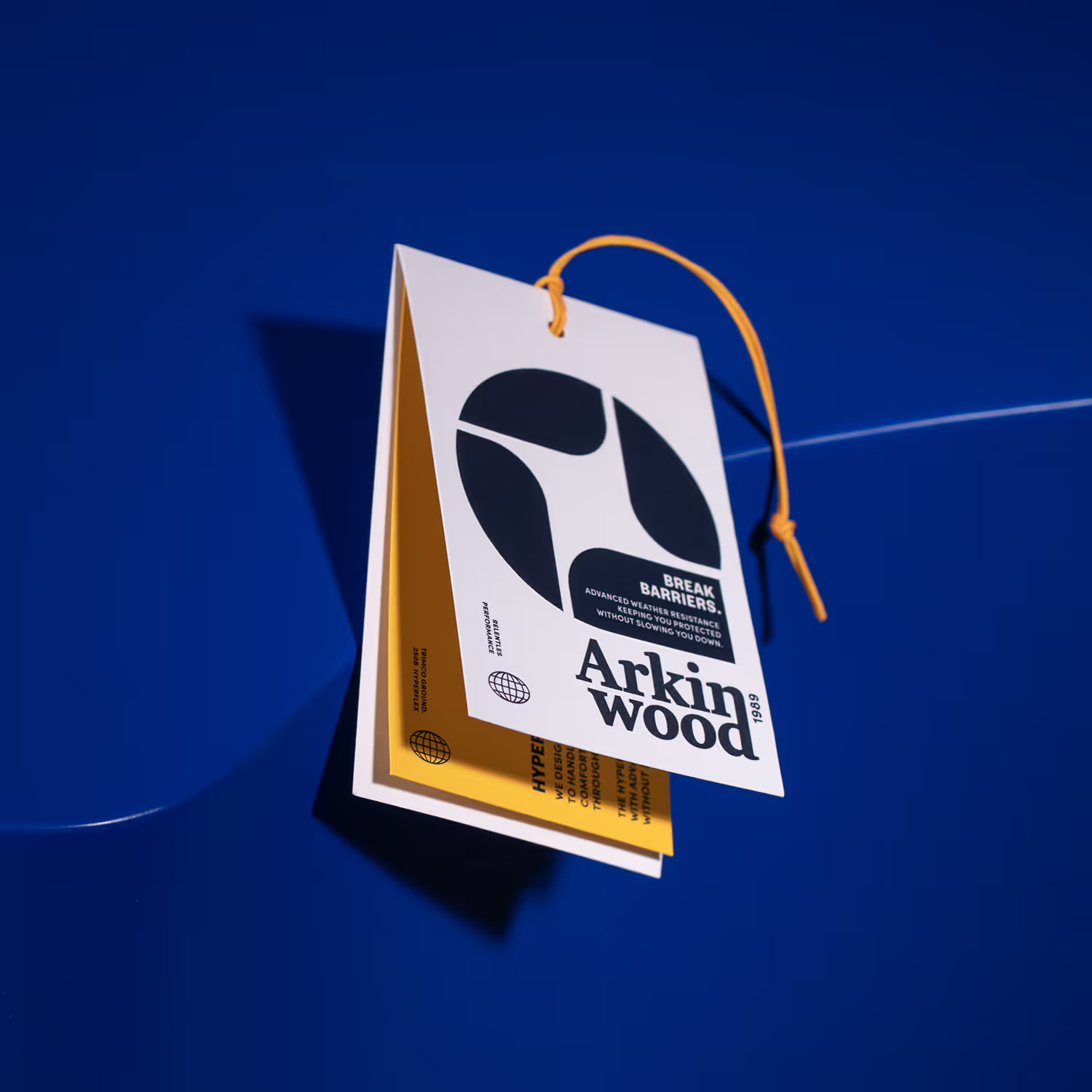
Widely Used - Soy Ink
Made from renewable soybean oil, soy ink is a popular alternative to petroleum-based inks in the printing industry. A partly plant-based formulation that can produce sharp, vibrant colours and may require less ink in some applications.
Frequently asked questions

Vegetable-based inks replace some petroleum-derived carriers with plant-based oils. Vegetable-based inks generally produce lower VOC emissions than petroleum-based inks because they rely less on petroleum solvents, although some formulations are not zero-VOC. That makes them a useful lower-emission alternative in printing, but the exact VOC reduction depends on the specific ink and process used.
Algae Ink is developed by Living Ink Technologies. It replaces petroleum-derived carbon black with a carbon-negative pigment grown from algae. The pigment is renewable, biodegradable, and produced by organisms that absorb CO₂ during growth.
Yes. The 100% vegetable ink option is available for full four-color printing on swing tags and all paper-based trims, with no mineral oil content.
Soy and some vegetable-based inks can be easier to remove during paper de-inking than petroleum-based inks, which may reduce recycling energy and chemical use, depending on the formulation and conditions.